

Shakira apresentou através de sua conta no microblog Twitter a boneca Barbie She Wolf. “Surpreendente”, disse ela.
Até o momento, não há informações sobre a comercialização da boneca.


Shakira apresentou através de sua conta no microblog Twitter a boneca Barbie She Wolf. “Surpreendente”, disse ela.
| Após derrotar romanos em 9 d.C., tribos alemãs destruÃram a estátua. Cabeça de cavalo, de bronze e ouro, foi enterrada por vencedores. |
| LINK DA NOT�CIA http://g1.globo.com/Noticias/Mundo/0,,MUL1283024-5602,00.html |

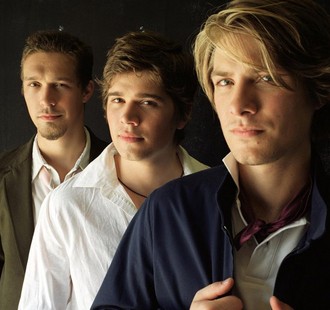
Hanson, los hermanos que se hicieran famosos con "Mmmpop", volverán a los escenarios musicales. Lo harán con una gira que empieza el próximo otoño y en la que presentarán a sus fans nuevas canciones.
Los Hanson editarán el que será su tercer disco bajo su propio sello discográfico, que aún no tiene título.
El disco fue producido por ellos mismos y contiene temas compuestos por los tres hermanos.
"Hay un montón de energía diferente para la música de este álbum", dijo Taylor, que anuncia un trabajo mucho más enérgico, fresco y excitante que el anterior, "The Walk", editado en 2007.
Para la gira que se tiene programada, los hermanos lanzarán un EP gratis para los fans que asistan a sus conciertos.
Además de compartir grupo con sus hermanos, Taylor Hanson tiene un proyecto paralelo, Tinted Windows, junto a Adam Schlesinger (Fountains Of Wayne), Bun E. Carlos (Cheap Trick) y James Iha (ex The Smashing Pumpkins).
Numa casa de banho junto do museu onde foi roubada
22-08-2007 10: 21 - A pistola roubada do museu Memphis dedicada a Elvis Presley foi encontrada numa casa de banho portátil, situada em frente do museu. A arma tinha sido roubada em Graceland durante as comemorações da 30ª aniversário da morte de Elvis Presley. O Tenente Jerry Gwyn acredita que o ladrão terá deixado cair acidentalmente a pistola no WC.
http://www.tvi24. iol.pt/internaci onais/elvis- presley-pistola/ 845446-3322. html
03/09/2008 - A impressão digital do rei do rock, Elvis Presley, será leiloada amanhã em Londres, na Inglaterra. A digital, que está em uma permissão de porte de armas de Elvis, pode ser única no mundo. Além das digitais de Elvis Presley, estarão no leilão “It s More Than Rock n Roll”, um quadro de Jimi Hendrix pintado por Ron Wood, guitarrista dos Rolling Stones, e uma versão escrita à mão por John Lennon, da letra da música Sexy Sadie, dos Beatles. Essa semana foi vendido também preciosidade da história do rock: o desenho original da famosa língua que se tornou a marca dos Rolling Stones. O desenho, criado em 1970 pelo, na época estudante de artes John Pesche, foi vendido ao museu inglês Victoria and Albert pelo equivalente a 151 mil reais.
D. Duarte Pio é membro do clube Burning Star
http://www.tvi24. iol.pt/multimedi a/oratvi/ multimedia/ imagem/id/ 6567760/318
16-08-2007 18: 28 - Para os fãs não há explicação para se gostar tanto de Elvis Presley, a estrela de Rock que vai ser relembrada mais uma vez este sábado no Montijo no dia em que se realizam 30 anos da sua morte. Bem longe de Graceland, os entusiastas portugueses também vão recordar a data. E para comprovar que o furor de Elvis Presley em Portugal é tão importante como em qualquer outro país, o herdeiro da coroa portuguesa, D. Duarte Pio de Bragança, é um dos fãs honorários do clube «Burning Star» desde 2002. «Em eventos grandes, temos muitas personalidades conhecidas», assumiu com orgulho ao PortugalDiário a presidente, Ana Henriques. Tudo começou em 1988 com um anúncio no jornal para a formação do clube de fãs. Mais de dez anos depois, quem diria que o «Rei do Rock» pudesse também ser tão acarinhado em Portugal? «Na altura não éramos mais que meia dúzia de pessoas», disse ao PortugalDiário a presidente do clube, Ana Henriques. Casada com Paulo Henriques, os dois são fundadores do Burning Star, que tem voz no site on-line. Conheceram-se na altura da criação do clube e até hoje ainda não se separaram.
Vinte anos de devoção
Conhecido como o «Rei do Rock», por continuar a arrebatar corações tantos anos depois da sua morte, Elvis marcou a música não só nos Estados Unidos, mas em todo o mundo. Vinte anos depois de ter sido criado o clube, Ana Henriques estima que o número de participantes ascenda aos 150. O clube reúne-se pelo menos duas vezes todos os anos, em Janeiro, altura em que se comemora o aniversário do nascimento de Elvis, e em Agosto, o mês da sua morte. A próxima comemoração será este sábado no Montijo, onde se vão encontrar todos os que formam o clube de fãs, mas também todos que sejam admiradores da estrela de rock 'n' roll. Os organizadores de Burning Star formaram um verdadeiro grupo de amigos que se encontra também no Natal para distribuir prendas relacionadas com Elvis Presley. «Costumamos fazer muitos convívios nas casas de uns e outros e também fazemos muitos jantares», disse Paulo. «Já estivemos em Memphis duas vezes e foi quase como chegar a casa», conta, a propósito da cidade natal de Elvis e que se foi tornando também a terra natal de todos os seus fãs. É também aí que todos os anos se juntam milhares de pessoas para se despedirem do cantor no seu túmulo. Mas o adeus é sempre acompanhado de um ritual revivalista, com espectáculos de rua, karaokes e concurso de imitadores. Em Portugal, os fãs usam o penteado de Elvis, mas não ultrapassam a tradicional «poupa». Concursos de imitadores só mesmo na Terra Natal do cantor, mas a verdade é que todos gostam de dizer que «o Rei está vivo».

La sátira es el mayor cumplido. Estoy agradecido de que la gente sepa quienes somos para nuestra música. Cuando la gente piensa en Hanson, ellos piensan en nuestras canciones.Piensas en ‘MMMBop.’ Hay un montón de músicos allá afuera, particularmente pienso en las jóvenes estrellas de Disney Channel ahora, y la gente no los conoce por su música. ¿Cómo suena una canción de Miley Cyrus? No lo sé.No tengo ni idea. Sin ánimos de ofender a The Jonas Brothers, pero no tengo ni idea de cómo suena alguna de sus canciones. absolutamente ninguna. No podría cantar una canción si mi vida dependiera de eso. Afortunadamente, nosotros no fuimos parte de Disney Channel, así que la gente no tuvo la oportunidad de conocernos por algo más que no fuera por el hecho de que somos una banda.Ser un hombre jóven, yo tenía 11, 12 cuando aceptamos nuestro primer Grammy. ser un niño de 12 años y ser nominado por escribir canciones es bastante impresionante. Estamos súper orgullosos de eso. ‘MMMBop’ no representa a lo que sonamos ahora o acerca de lo que estamos escribiendo ahora, pero aun estamos super orgullosos de tocar esa canción.

Ter, 25 Ago, 12h17
(BR Press) - Em 1997, os irmãos Hanson caíram como uma bomba pop graças a Mmmbop, um super-hit impossível de fugir por mais que você tentasse. Estava em todas as rádios, programas de TV, esquinas, etc. Desde então, nunca mais emplacaram outra música nas principais paradas de sucesso, mas também não pararam de lançar discos, sendo o último The Walk de 2007. O trio revelou, em entrevista à Billboard, que trabalha em um disco para 2010 e vai entrar em turnê em setembro nos Estados Unidos.
PUBLICIDADE |
Segundo o vocalista, tecladista e o irmão do meio Taylor Hanson, o novo disco, o terceiro pelo selo 3CG, está finalizado, mas ainda não tem um nome. Gravado no Texas, o novo trabalho foi produzido pelo próprio grupo com apenas composições próprias.
Maduro
"Este não era o plano inicial, mas pareceu a coisa certa a se fazer", diz Taylor à Billboard, sobre não trabalhar com outros compositores neste trabalho. O músico adianta também que o disco tem um som mais maduro e novo que The Walk.
Além da turnê, o trio planeja lançar um EP intitulado Stand Up, Stand Up em 2009, como prévia do próximo lançamento. Faixas como Worlds on Fire, mais versões acústicas de These Walls, Use Me Up e Carry you There estão presentes no EP.

Source: Popwreckoning.com
Really all you need to know is that this interview is with Zac, the youngest brother of Hanson. If seeing the word “Hanson” here means something to you, read on because you’ll probably be surprised by how much you didn’t know about this group and how far they’ve come since “MMMBop.” If Hanson doesn’t mean something to you, read on because you clearly have been living under a rock and need to become aware. Plus, this interview has a dance off challenge.

Bethany, PopWreckoning: You guys are about to start your “Use Your Sole Tour” and it is kind of like a themed tour. Can you kind of just talk to me about that theme and tell our readers what it is all about?
Zac Hanson, Hanson: Yeah. The reason we call it the “Use Your Sole Tour” is because we’re continuing our different walks that we’ve done as a tool to talk to people about what is going on with AIDS in the world and to fight extreme poverty, particularly in Africa. We’re continuing that and we’re partnering with a shoe company called Toms. We’ve been partners; we’ve been always supported through them. They’re taking a more active role in this tour. They’re really just wanting to be a bigger part of what we’re trying to do. That’s why it is called the “Use Your Sole Tour” because we’re still doing these one mile barefoot walks before every concert. We’ll be at colleges or in front of the venues doing these walks. It is a tour obviously about playing music. We’ll be playing new music from our record that is going to come out in the spring of next year. It is also about doing good with your life and the opportunity to use your influence on the people around you and just do something good. It isn’t mandated, we just have the opportunity and we wish to feel empowered, too.
PW: How exactly do the walks work? Is it like each person shows up and for each person that does Toms donates x to poverty in Africa?
ZH: The walks are, for every person that walks a mile, they register at the end of our walk. We donatehanson a dollar to one of five causes. One is Toms, who supplies shoes. One is to clean water wells. One is providing medication for anti-viral drugs for AIDS. One is donating to this technology company that helps connect the patient to the doctors through cell phone technology. One is schools to help educate kids and give them an opportunity to not fall into the same situations and to better themselves to become doctors and entrepreneurs and really treat them, teach them of the effects of AIDS and not fall into the same stereos that many people around them have. As far as the giving of the shoes, that’s how we give money and get them. It is not as simple as just giving money, but the point is to tell people about it and show them what they can do and that there is a monetary value to their efforts. It is [worth] much more than a dollar when somebody comes out and they feel passionate about it and they use their influence to tell their friends and people around them. It is a way to show them that hey, you need to walk because it can have this effect.
PW: And you guys have been really active. You’ve even gone to Africa and you had a choir there sing on one of your songs. How did these issues become so important to you? Or was it just somebody saying you guys should pick an issue because you’re celebrities?
ZH: It was 100 percent not that. Through our entire career, we’ve purposely have not been in the public eye with the charities and things we’ve supported. What we have supported we’ve done quietly at the back of the room. A couple of years back, we had these friends from Oklahoma that developed this cell phone technology. They told us about it and they told us some of the effects it could have and then they told us they were going to give it away. And we were like wow. It just seemed like something we wanted to be involved with and understand more. So we went to Africa. This was while we were making the last record, The Walk. We were there and we had been working on the record in Oklahoma. When we went we just decided that maybe we could do some recording there. That was where the whole process kind of happened for us. We ended up at several orphanages, hospitals and hospices and recording it and just trying to learn and figure out the course of AIDS: where it is, what we can do and what role one can have. Basically, the conclusion we came to was that we needed to take the same stance that our friends with the technology had taken. We have tools, let’s start using them even if they aren’t that great and the end all solution that we wish they were. That’s why we recorded this choir and trying to get with our music and use the influence that we have to tell people about it and that it is an important issue. Ultimately, AIDS is going to change the world; it already has. It is up to us with how that is going to change the world if we as a generation take on this disease that is affecting millions and millions of people and creating orphans and broken families and killing parents and killing babies or is it something we as a generation will look back and say we should have done something about it. I think one of the biggest thing with AIDS is that there is the medication to help people live healthy lives with the right kind of education and in some cases assistance. There are so many tools for people not to attract this virus. We can use what we have as a generation. We have all these tools and the ability to reach across the planet and take action immediately. We can do something immediately. It is not something we need to wait for our government to do or somebody to mandate or a tax plan to give this much money to some organization. It seems like it is something that will really be affected by a natural grass roots approach to making a difference. We need to just do what we can, one step at a time. Maybe that’s just in your local community. Maybe that’s in giving your time and flying halfway around the world and working in a hospital and starting a clinic. It can be any of those things. The way we are going to make a difference is just by relying on ourselves to take a more personal motivation.
PW: Perfect answer. I love hearing that is just something that moves you and not just celebrity obligation because you hear about people like Jolie and Pitt going, which is fine and dandy, but how real is that?
ZH: Right. And to be honest, that issue almost…we really struggled with that for a long time. We never wanted people to think we were doing it because it is a popular issue and we wanted our face on the One campaign. There is nothing wrong with the One campaign. It is a great thing. But a lot of people don’t feel that is genuine and this is a very personal thing for us. It is not an issue that you can be that way with. It is people dying so you don’t want to joke or try to profit off it. It is a real world problem that we felt was important and something that we can make a difference in.
PW: And you guys are taking a really innovative and fresh approach with the barefoot walk and you are trying to walk a mile in another’s footsteps and understand what those people are going through and even trying to get others to understand that. I can only imagine the condition your feet are in from all those walks.
ZH: They have very large calluses. One thing I will say is that people need not fear needles, broken glass and razor blades on the streets. I hear that a lot, surprisingly. Everyone thinks that there are razor blades and needles and glass just all over the streets in every city of the country. We have very clean sidewalks, vying a few spots in the country, you are in very little danger. Assuming you don’t drag your feet, you’ll be just fine.
PW: Cool. We can move on from that one. Let’s talk about your DVD, Strong Enough to Break, which is out on iTunes, but you’re getting ready to actually release as a hard copy.
ZH: Yeah. Strong Enough to Break is a documentary made about the album Underneath, which was two albums ago. The documentary was never intended to be about the music industry. It was supposed to be about making music and showcasing us as a band: writing songs; showing fans what we do; giving people an intimate look at making an album. It really didn’t end up being that even though we set out to make that film; it ended up being trying to get a record made at all. So what we did with that film was after it was finished, we went to colleges and talked to music business students and people that were studying entrepreneurship and things like that. Just to talk to them about what the music industry is and where it is going and where it has been and what we think is wrong with it. That’s become the focus of the film. We wanted to show people that our story wasn’t unique, but very common and what many, many, many bands are going through. It has been around. We put it out for free and it was on our podcast streaming on iTunes. People can find it on YouTube and find it in parts. We more so just wanted something people can find because it is very informational. It is entertaining, you can sit and watch it as a film, but it gives people a real honest and not affected look of what bands go through and some of the things that are really wrong with making albums in a major music industry today. Finally, what we’ve done now, is release the film through Hanson.net. We’ve added a bunch of demos that were done during the process for the people that go, “What did this music sound like that the label was hearing?” They can hear 15 of the demos we did and hear a director’s commentary and extra footage. We talk about the film and give people a little more insight about why we were mad about this or what was going on at that time. We talk about songs and the extra footage.
PW: Do you think with all you’ve seen in the music industry and kind of growing up in it, do you ever consider what would have happened had you been trying to enter the music industry now and in this day and age?
ZH: Yeah. That’s a hard thing. It is not the best time to be in this business. In some senses it is a great time because there is an opportunity for something new to revitalize the music industry as a whole. It is not a business that is thriving with people succeeding and getting raises out the wazoo and bands are selling millions and millions of copies. That’s not happening. I don’t know if I would do it if we were just starting out now and we were younger guys starting off in music. The reason we started off in it in the first place was because of the music. How could it not be a much harder time to be in a business than it was then? We came out kind of the last breath of a really healthy music business. Catalog sales were up of old records being reprinted from vinyl to CDs/compact discs. The issue of mp3s and Napster hadn’t really come about yet. There really was a corner on the market at that point. Since then, there have been so many changes that were good and changes that were bad and since then changes that make it more difficult because the attention of the fan, the music fan or consumer, is much smaller. They have a rough time to focus on you because there are thousands and thousands of records being released every year.
PW: So you said your new album is coming out in Spring 2010?
ZH: Yeah. We haven’t set a release date yet. It is probably going to be late first quarter or early second quarter.
PW: But it is pretty much done? What can people expect from this new album?
ZH: As usual, it is Hanson. If you like The Walk or Underneath or Middle of Nowhere, you’ll probably like this record, I think. But as every record has been, it is an evolution, it changes and is a new thing to be excited about. We never feel comfortable sounding the same every time and we always try and push ourselves as musicians with each record. This record is more piano-based, particular more than our last album, The Walk. It is focused on the play back and forth between guitar and piano and focuses on the line of what the piano is doing making it more of a pop record. Not pop in the way a lot of people think of it. I mean pop in the way of the Beatles, Billy Joel and even Ben Folds if you want to say that’s pop. The way I look at pop is different than the way you might think. It is a record that is let loose a little. There is a sense that we’ve been here a long time and we’ve survived a lot of different situations and I guess I mean there’s more of the excitement of wow, we’ve done a lot and look what we’re going to do next. Not necessarily, whoaaa, we made it another milestone, I’m so tired, but we’ve survived. Not that kind of thing.
PW: Speaking of pop music, Taylor just did this side project as Tinted Windows. What did you and Isaac do during that time period and do you guys do side projects at all?
ZH: He did that record over about three years. He actually made it in little weekend stints while we were working on other Hanson projects. We’re always working on this or that, whether writing for the band or whatever. We have aspirations to do all kinds of things, so mostly just keeping wheels turning. 0_61_053008_zac_hanson
PW: Yeah. Plus you all have families now. How has that changed band dynamics now that it isn’t just the Hanson brothers, but Hanson brothers and company on the bus?
ZH: I don’t know if it has so much changed the dynamics of us as a trio. It just means there is less time in the day, and with good reason, there is less time in the day. You have other things to focus on and you want to get home at night. It makes the tour bus a lot more cramped. You’d rather have your family on the road and be cramped than no family at all. It is good. It definitely, there is a little different reason to write songs a little bit and be inspired. It is just a good thing in life. It doesn’t necessarily change us as a band, it is just adding more to who you are and what you have to write about.
PW: As three brothers in the music business, what do you think of the Jonas Brothers phenomenon in pop culture?
ZH: Hmm.
PW: They referenced you guys in a song, too, something about popping and locking.
ZH: I know. I don’t know really know anything about them.
PW: Could you take them in a dance off?
ZH: Yes. I accept.
PW: You’d accept their challenge?
ZH: I’ll take all three of them on.
PW: Alright. Let it go on record. I want to see it. I want video rights to that.
ZH: I want to see it, too. Like I said, I don’t know any about those dance moves, but I will learn. Is it in Jamaica they do the battle dancing?
PW: I’m not sure. I’ve usually just seen it in movies with breakdance battles.
ZH: I will breakstep and battle and it will be crazy.
PW: Awesome. I do want to see that. For a final fun question: I don’t want to ask you something generic about “MMMBop,” but it did make you famous and put you in the limelight of pop culture, I guess out of all the pop culture references to you, is there a favorite or one that made you say, “Wow, we’ve made it?”
ZH: I think references on “The Simpsons” and “Family Guy,” those are huge. Probably one of my favorites, were a couple of the “MadTV” skits. They did one and it was supposed to be like 2017 and they did our new single and called it “Ling Ling,” you can look it up on YouTube, but that one I thought was incredibly funny. They got certain aspects of our personality really right. It is a character, but there were certain things like little twitches where I was like, “Wow.” They really sat in front of interviews of us and watched and studied. They did their job well in that one. Also, doing the “Saturday Night Live” skit with Will Ferrell, it is hard to live that one down.
PW: That’s awesome. I’m glad you guys are so good-humored about it.
ZH: Yeah, whatever. Satire is the greatest compliment. I’m just glad people know who we are for our music. When people think Hanson, they think about our songs. They think “MMMBop.” There are a lot of musicians out there, particularly I think of the young Disney Channel stars now, and people don’t know them for their music. What does Miley Cyrus’ song sound like? I don’t know. I have absolutely no idea. No offense to the Jonas Brothers, but I have no idea of any of their songs. Absolutely none. I couldn’t sing a song if my life depended on it. Thankfully, we weren’t a part of the Disney Channel, so people didn’t have any opportunity to know us for anything except for being a band. To be a young guy, I was 11, 12 when we accepted our first Grammy. To be a 12-year-old and nominated for songwriting is pretty awesome. We are super proud of that stuff. “MMMBop” doesn’t represent what we sound like now or what we’re writing about now, but we’re still super proud of that song to play.
PW: It is a smart song and has great hooks.
ZH: It is funny—awhile back, somebody asked me about playing “MMMBop” and they said Mick Jagger said he would rather die than still be singing “Satisfaction” when he was 45. Then they were like will you still play “MMMBop” when you’re 45, which is like 22 years from now. The thing about that song in particular, because of what is about, if you read the lyrics to “MMMBop” it is all about how so many things in life are fleeting and you have to really hold on to what matters. Most people don’t know that about the song because they didn’t take the time to read the lyrics. I think for all the fans of that song and for us, every time we sing that song, one more year goes by and we’re still singing it. That song has continually changing meaning of oh yeah, we are what mattered. The audience say that to us and we say it. Of the things that mattered in life you were one that I cared about, but that’s not what matters now, but it is something I’m going to shows for and still buying clothes for because you’re a band and still relevant to my life. It is like this ultimate, really cool compliment to still be singing that song now or even then.
PW: Thank you so much. You had great answers. I look forward to seeing the Jonas Brothers dance off. Start practicing.
ZH: I look forward to seeing it, too. Nice talking to you.
 |
No fim dos anos 1990, várias garotas se descabelaram por eles. Embora já não sejam mais considerados "fofos", os irmãos que compõe o Hanson ainda estão na ativa, para a surpresa de muitos. Após o estouro de 1997, com Middle of nowhere, que trazia o sucesso MMMBop, a carreira do grupo foi definhando e recebendo cada vez menos destaque. This time around, de 2000, foi o último trabalho do grupo que teve alguma repercussão. Mas a prova que o trio de irmãos nunca parou é o anúncio de mais um disco de inéditas. Ainda sem nome, o álbum vai começar a ser mostrado para os fãs durante a turnê que o Hanson vai fazer pelos Estados Unidos este ano. Em entrevista à revista Billboard, Taylor Hanson adiantou que o clima do disco vai ser melhor do que The walk, o último feito pelo grupo. "Tem uma energia diferente neste novo disco, já que nosso último trabalho era uma espécie de 'estamos sobrevivendo, estamos aqui'. Este agora é uma continuidade, algo como 'sobrevivemos, chegamos até aqui e ainda estamos nessa', tem essa ideia de estamos aqui por algum tempo fazendo isto", ponderou o vocalista. |
Olá, como foi de fim de semana?
A Entrevista da Semana de hoje é especial: ela dá início à cobertura de The Beatles: Rock Band no Gamer.br. Para começar, publico a íntegra de uma das conversas que tive com a equipe de criação do jogo. Dare Matheson é o lead artist, ou “artista-chefe” da Harmonix e um dos principais profissionais envolvidos no visual do game, que tem data de lançamento prevista para 9 de setembro de 2009.
Fiquei frente a frente com Matheson no último dia da E3 2009, que rolou em junho, em Los Angeles. Solícito, o artista norte-americano de 37 anos falou tranquilamente sobre detalhes secretos da produção, sobre encontros pessoais com os Beatles, as famosas “sequências de sonho” que permeiam certas músicas e o equilibrio entre ser beatlemaníaco e ser profissional. A conversa fluiu fácil e rendeu ótimas respostas. Como sempre, confira até o fim e não deixe de comentar no final.
E na semana que vem, neste mesmo blog, tem mais entrevista exclusiva com a equipe de criação de The Beatles: Rock Band. Até lá.
***
Gamer.br: Então você é o “artista principal” de The Beatles: Rock Band.
Dare Matheson: Sou eu mesmo.
Diga lá então, do ponto de vista de um artista: quais são os períodos mais interessantes da carreira dos Beatles para se desenvolver em um game?
DM: Bem, acho que… [pensa]. Parte do que faz os Beatles tão interessantes é olhar a discografia completa deles, a presença artística completa que eles apresentaram ao longo dos anos. Foi mais ou menos o que tentamos fazer no jogo: eles eram uma banda tão incrivelmente inventiva, não apenas de disco para disco, mas de música para música em um mesmo disco – as canções tinham estruturas, letras e conteúdos radicalmente diferentes de uma para outra. O nível de habilidade e criatividade deles era impressionante.
Falando mais especificamente: para nós, quando eles decidiram parar de fazer aqueles shows enormes em estádios e começaram a produzir coisas super psicodélicas, como “Strawberry Fields [Forever]”, “Sgt. Pepper’s [Lonely Hearts Club Band]”, eles levaram a música popular para outro nível de criatividade. E isso inclui também as técnicas de produção musical que eles utilizaram. Então, foi algo natural para nós: quando tentamos interpretar o legado artístico dos Beatles, utilizamos essa época especifica para expandir o máximo possível os limites visuais de um videogame, mas sempre tendo a música que eles criaram como principal referência.
E o que dizer daquelas “cenas de sonho”? Eu sei que elas tiveram um papel importante durante o desenvolvimento do jogo…
DM: Sim. Sobre desenvolver essas sequências de sonho…

Ops, desculpe. Eu quis dizer “sequências de sonho”.
DM: Não tem problema. Sequências, fases, cenas… É o que é, não importa como as chamemos [risos]. Elas foram, simultaneamente, as mais divertidas, e provavelmente as mais tecnicamente e criativamente desafiadoras na produção do game. Simplesmente porque nunca havíamos feito algo parecido. E acho que ninguém o fez antes.
Então, criamos um sistema que nos permitiu distribuir esses ambientes que criamos especificamente para cada música. Há diversos desses no jogo, não são só um ou dois, o que significa que eles são realmente únicos para cada canção. Então, foi um enorme desafio. Rock Band 2 mostra alguns clipes em certas músicas, o que foi mais ou menos um ponto de partida para a gente. Mas no novo game era completamente diferente e tínhamos que ir bem além do que fizemos. Esses tipos de cenas já eram bem difíceis de fazer na época [em que criamos Rock Band 2]. Mas aqui estamos lidando com os Beatles, entende? Basicamente, juntamos algumas pessoas da equipe e fizemos um brainstorm para soltarmos todo esse nosso lado artístico. Todo mundo foi pirando em cima, e foi bem divertido. E o resultado é isso aí que você viu.
Eu perguntei a Josh [Randall, designer principal de The Beatles: Rock Band] sobre a aparência dos Beatles no jogo – eles são estilizados, não estão exatamente realistas. Foi essa a ideia que vocês tinham desde o inicio, de criar um game cartunesco, e não realista?
DM: Nós experimentamos uma gama de estilos diferentes nos primeiros estágios de desenvolvimento. Desde o início, tínhamos certeza que nosso objetivo era fazer você olhar para o jogo e não achar que aquilo se parece exageradamente com um desenho animado. E precisava ser convidativo, familiar e, ao mesmo tempo, tinha que parecer realista, de uma maneira impressionista, por assim dizer. Você precisava sentir que reconhece cada uma daquelas pessoas, cada um daqueles Beatles como uma pessoa de verdade. Tentamos evitar cair naquele buraco negro de alcançar o limite do realismo… poros na pele, cabelos esvoaçantes, sabe? Fizemos um monte de desenhos dos caras, estudamos seus movimentos e personalidades, como funcionam as expressões faciais de cada um, e tentamos usar o mínimo possível desses aspectos na criação de cada personagem. E foi assim que chegamos ao estilo do jogo.
Outra coisa que é única nesse jogo é que, nos games Rock Band, tentamos dar ao jogador uma espécie de folha em branco: um personagem que não tem nenhuma característica, para cada um criá-lo da maneira que bem entender e talvez até se enxergar um pouco nele. Em The Beatles: Rock Band, os quatro protagonistas precisam ser realmente únicos no que diz respeito às suas expressões faciais e personalidades, porque eles são ícones reconhecidos no mundo tudo. Foi um desafio recriar esse tipo de experiência, porque quando você vê os Beatles tocando de verdade, percebe que eles estão no melhor momento de suas vidas, se divertindo muito. Dá para ver isso claramente nas caras deles. E é muito difícil romper essa barreira com personagens digitais de videogames: a ideia de “alegria”. Não é nada fácil demostrar isso com um ser virtual.
 Por falar em alegria, quais foram os momentos mais divertidos durante a criação do jogo? E claro, os quais foram os maiores desafios?
DM: Eu diria que houve muitos desafios, técnicos e criativos… Mas o maior, para mim, foi receber essa oportunidade e ter a responsabilidade de interpretar artisticamente e reimaginar os Beatles em uma mídia inédita para eles. E a gente não pegou leve. Muitos de nós somos grandes fãs dos Beatles, alguns desde crianças – eu incluído. Lembro de passar um tempão com meus pais na sala, no meio dos anos 70, ouvindo o Sgt. Peppers, olhando a capa, lendo as letras sem parar. E aquilo teve uma impressão muito forte em mim. Nós aceitamos com alegria esse desafio, essa oportunidade, e não passa um único dia em que a gente relaxa. Temos muita sorte. Foi incrível como a Apple Corp. e os próprios Beatles nos encorajaram a mostrar as asas e alcançar o nosso pico criativo. Eles não quiseram nos impedir ou nos segurar em momento algum. Os Beatles foram a maior força criativa do tempo deles, então nos deixaram livres para ir fundo e capturar esse espírito.
E você teve a chance de encontrar os Beatles em pessoa?
DM: Sim, nós nos encontramos com todos eles, e vários de nós tiveram contato com eles em partes diferentes do processo. Eu e outros caras da equipe fomos para Friar Park, que é a propriedade da família Harrison na Inglaterra, e encontramos Olivia [Harrison, viúva de George] logo no início do projeto. E foi uma viagem maravilhosa, foi incrível conhecer o local onde ele viveu, onde Olivia e Dhani viveram. Uma experiência inesquecível. Alem disso, a Yoko Ono foi nos encontrar em nosso escritório para trabalhar diretamente conosco, e isso foi indispensável para compreendermos quais eram as expectativas deles para com os personagens e o game. Ao invés de receber o feedback dela através de um monte de filtros, eu tive a chance de sentar lá e ouvir tudo o que a Yoko pensava. Ela também é uma artista, então queria as coisas de uma maneira bastante especifica. Acho que foi crucial que tivéssemos esse contato direto com cada um dos grupos envolvidos. Acredito que isso teve um impacto positivo no produto final.
 Você se refere ao seu ponto de vista profissional. Mas e seu lado beatlemaníaco? Como ele reagiu ao encontrar essas pessoas ao vivo, trocar ideias com eles?
DM: Ah, foi absolutamente fantástico. Todo o desenvolvimento e produção desse game foi uma coisa tão focada, um mergulho tão grande, que toda vez que uma coisa desse nível acontecia, do tipo – “Ok, estou aqui no estúdio Abbey Road”, ou “Estou no telhado do prédio da Apple em Savile Row”, todas essas experiências… Eu quase não fui capaz de pegar nenhuma delas, olhar de fora e pensar: “Uau, olha onde eu estou!”. Imagina só, nós recebemos a Yoko Ono quando ela foi dar o parecer dela sobre o game. Sabe, eu sou um grande fã não só dos Beatles, mas também da Yoko como artista plástica. A coisa toda foi simplesmente fantástica. Eu jamais poderia sonhar que eu teria essa oportunidade. E tanto os Beatles quanto a Apple nos parecem muito satisfeitos com o resultado. O que eles viram do jogo até agora colocou muitos sorrisos nas caras deles, então tem sido incrível.
Quando começou a produção do game exatamente?
DM: Eu diria que… [pensa]. Fizemos umas demos iniciais com esboços de personagens, só para o conceito ser aprovado, mas tudo estático. Mostramos essas demos pros Beatles e para a Apple bem no começo de tudo, e isso foi provavelmente em, digamos… Abril de 2008? Março, talvez?
Foi um segredo muito bem guardado, pelo jeito.
DM: Sim, essa é uma boa questão. Discrição era algo crucial para esse projeto. Veja bem, na Harmonix temos mais de 300 funcionários e não houve praticamente um único “piu” de ninguém. Eu falei com diversas pessoas da empresa quando o jogo estava prestes a ser revelado, e todo mundo só dizia: “Finalmente, vou poder falar com minha esposa sobre esse jogo!”. Era esse o nível. Ninguém disse uma palavra, era como um segredo de Estado ou coisa parecida [risos]. As pessoas levaram esse projeto tão a sério que era esse o nível de dedicação que tínhamos.
Então, você se encontrou pessoalmente com o Paul McCartney um dia e nem pôde contar à sua esposa de noite: “Então, querida, hoje conversei com o Paul”.
DM: Foi isso mesmo que aconteceu. Eu acho que deve ter sido diferente para cada um de nós, mas muita gente dizia: “Ah, isso é tão bacana e eu nem posso contar lá em casa…”
Você acha que os Beatles enxergam o game como uma maneira de levar a história da banda a uma nova geração, ou eles o vêem como “apenas mais um negócio”, ou “só mais uma maneira de fazer grana”?
DM: Bem, eu não sei como era para eles no inicio, mas o que percebemos é que, à medida que a produção começava a evoluir, eles se envolveram cada vez mais. À medida que eles viam a coisa rolando e compreendiam nossas ideias, e o quão seriamente estávamos levando aquilo, acho que ficaram mais e mais interessados. O que deu para perceber é que foi a singularidade da coisa que pegou firme para eles. O fato é que há muitos projetos diferentes envolvendo os Beatles, e cada um tem seu valor, mas este, eu acho que o tempo deixará claro que é uma coisa única. E é mesmo algo único para eles, já que eles ainda nem lançaram a música deles digitalmente! Este é um ponto de partida para os Beatles. E agora que eles vão entrar nessa, será também em uma nova dimensão.
Você acha que essa a geração de consumidores ainda precisa de uma banda como os Beatles? Afinal, dá para dizer que o game apresenta os Beatles em uma embalagem propicia para as novas gerações…
DM: Você iria se surpreender em saber que há uma infinidade de crianças por aí que são fãs dos Beatles. Eu não sei como, talvez por influência dos pais, mas em qualquer lugar que se vá, tem músicas dos Beatles tocando. Mas é claro que haverá um monte de crianças que não são tão familiarizadas com os Beatles. Acho que será bem divertido ver como isso irá se desenrolar. A gente acha que este game vai se tornar um veículo para os beatlemaníacos que não jogam entrarem nesse mundo dos jogos musicais e comprovarem o quão divertidos eles são. E também uma maneira de os jogadores de games – que não conhecem tanto os Beatles – de descobrirem a banda. Estamos prontos para ver uma grande sinergia rolando.
Ao longo do projeto, depois de tanto tempo mergulhado nesse universo, você acha que se tornou ainda mais fã? Ou se cansou um pouco dos Beatles?
DM: Bem, ao longo do projeto, chegamos a ouvir algumas dessas músicas milhares de vezes. Acho que todo mundo tem suas músicas favoritas e tal, mas é claro que depois de ouvir qualquer canção muitas vezes, por mais que você goste dela, vai chegar uma hora que irá dizer: “Ok, agora quero ouvir outra coisa”. Mas tenho que dizer, mesmo tendo trabalhado nessas 45 músicas contidas no jogo… Aqui na E3 nós só mostramos dez músicas e já estamos aqui há três dias jogando essas músicas sem parar. Mesmo quando vejo as pessoas se divertindo, sorrindo e dançando enquanto jogam ou assistem, eu não me sinto nem um pouco cansado disso tudo.
Quais eram seus discos e músicas favoritos dos Beatles antes de trabalhar no jogo? E agora, que o jogo está pronto? Isso mudou?
DM: São muitas. Mas como eu disse, Sgt. Pepper’s Lonely Hearts Club Band sempre foi importante pra mim. O Álbum Branco, Revolver… Gosto também do Rubber Soul, do Magical Mystery Tour. Eu sempre gostei as músicas mais pegajosas do começo da carreira, mas aí comecei a curtir muito o que eles fizeram na época do Revolver, tipo “Strawberry Fields”… Aí eles lançaram Sgt. Pepper’s e piraram de uma vez. Pra mim, foi onde eles romperam as principais barreiras.
É difícil pensar onde se pode chegar profissionalmente depois de trabalhar em um jogo como The Beatles: Rock Band, não? O que podemos esperar dos jogos musicais, uma vez que se já chegou ao topo?
DM: Grande pergunta. Foi um processo de desenvolvimento tão profundo que, no final, quando estávamos terminando tudo, senti um enorme alívio, ao mesmo tempo em que quase vi uma lagriminha escorrendo. Foi tipo: “Certo, chegamos à linha de chegada, mas… acho que não queria cruzá-la”. Eu queria continuar trabalhando nesse jogo para sempre. Mas vamos ver o que vem por aí. Você simplesmente começa a fazer alguma coisa nova, e é sempre legal trabalhar em coisas novas. É bom também para os consumidores experimentarem coisas novas. Só queremos continuar a ser o mais criativo possível. É por isso que nós amamos os Beatles: porque foi exatamente isso que eles fizeram ao longo de toda a carreira.
By Gary Graff
DETROIT (Billboard) - Hanson plans to play a bunch of new music for its fans this fall, even though the sibling trio's new album probably won't come out until the spring of 2010.
"We've tried since we started to not go more than a year without throwing something new to the fans," singer-keyboardist Taylor Hanson told Billboard.com. "So this (tour) is kind of a warm-up to the new record and ... just being a touring band and staying active."
Hanson said the new album, the group's third for its own 3CG label, is finished but still untitled. Recorded mostly at Sonic Ranch in Torrillo, Texas, the set was produced by the group, without any co-writers. "In that light it's kind of all-Hanson, all the time," the middle brother said. "That wasn't actually the plan initially; it just seemed like the right thing to do. We're probably going to do the opposite of that for the next record."
Hanson described the new material as "just a little more straight-ahead" than 2007's "The Walk."
"There's a different energy to a lot of the music for this new record. I think the last album was sort of, 'We're surviving. We're chugging along.' This one there's more of a sense of, 'We've survived. We've gotten this far. We're still in one piece.' There's this sense of, 'Wow, we've been doing this for a while.' It's a little more energetic. There's a freshness and excitement about it. You'll hear it in the songs."
Hanson will give fans a taste of the new material not only in concert but also via an EP, "Stand Up, Stand Up," that features the full-band album track "Worlds on Fire" plus acoustic versions of four songs -- "These Walls," "Use Me Up," "Waiting for This" and "Carry You There."
The Hanson tour, with Hellogoodbye, Steel Train and Sherwood, kicks off September 30 in the group's home town of Tulsa, Oklahoma. Hanson said he'll also be playing some shows during the fall with Tinted Windows, his all-star side project with Fountains of Wayne's Adam Schlesinger, Cheap Trick's Bun E. Carlos and former Smashing Pumpkins guitarist James Iha.
(Editing by Sheri Linden at Reuters)
(please visit our entertainment blog via www.reuters.com or on blogs.reuters.com/fanfare/)


